





A brief history of the origin and development of wood carving skills
China's wood carving art originated in ancient times, and the earliest wood carving works can be traced back to the Neolithic Age. With the development of history, wood carving skills have gradually become an important element in palace and temple decoration. By the Tang and Song dynasties, wood carving art reached its peak. Whether it was architectural decoration or daily necessities, it reflected the exquisite skills and unique style of wood carving art. Su Shi, a great writer of the Song Dynasty, praised the art of wood carving in "Dongpo Zhilin": "The exquisite carving is so beautiful that it is so beautiful", which shows the prosperity of wood carving art at that time.
The status and symbolic significance of wood carving in Chinese culture
In traditional Chinese culture, wood carving is not only a decoration, but also an artistic form that carries auspicious meanings and philosophical thoughts. For example, common lotus wood carvings represent purity and elegance, while dragon and phoenix wood carvings symbolize power and wealth. These traditional patterns and symbols not only beautify the living environment, but also convey the cultural concepts passed down from generation to generation.
Wood carving skills in the list of intangible cultural heritage in China
Traditional wood carving techniques are included in the list of intangible cultural heritage in China due to their unique artistic value and cultural significance. This is not only a recognition of the skills of wood carving artists, but also a protection and support for the future development of this ancient art.
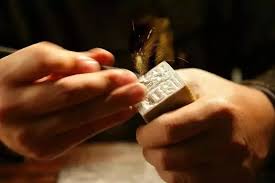
A brief history of the origin and development of wood carving skills
China's wood carving art originated in ancient times, and the earliest wood carving works can be traced back to the Neolithic Age. With the development of history, wood carving skills have gradually become an important element in palace and temple decoration. By the Tang and Song dynasties, wood carving art reached its peak. Whether it was architectural decoration or daily necessities, it reflected the exquisite skills and unique style of wood carving art. Su Shi, a great writer of the Song Dynasty, praised the art of wood carving in "Dongpo Zhilin": "The exquisite carving is so beautiful that it is so beautiful", which shows the prosperity of wood carving art at that time.
The status and symbolic significance of wood carving in Chinese culture
In traditional Chinese culture, wood carving is not only a decoration, but also an artistic form that carries auspicious meanings and philosophical thoughts. For example, common lotus wood carvings represent purity and elegance, while dragon and phoenix wood carvings symbolize power and wealth. These traditional patterns and symbols not only beautify the living environment, but also convey the cultural concepts passed down from generation to generation.
Wood carving skills in the list of intangible cultural heritage in China
Traditional wood carving techniques are included in the list of intangible cultural heritage in China due to their unique artistic value and cultural significance. This is not only a recognition of the skills of wood carving artists, but also a protection and support for the future development of this ancient art.