





Ski Mirror
What is Ski Mirror
A Ski Mirror refers to a small mirror that is attached to a skier's equipment, usually to their helmet or goggles strap. The primary purpose of a ski mirror is to allow the skier to see what is happening behind them without having to turn their head. This can be particularly useful for monitoring other skiers on the slope, potential hazards, or keeping an eye on fellow skiers in their group. Ski mirrors are often compact and lightweight, designed to be easily mounted and removed. They can be made of various materials, including shatter-resistant glass or durable plastics, and may have a frame that matches common helmet colors for aesthetic purposes. While not an essential piece of skiing equipment, ski mirrors can enhance situational awareness and contribute to a safer skiing experience.
Advantages of Ski Mirror
Ski mirrors, also known as skylights or roof windows, offer a range of advantages in terms of design and functionality for buildings, especially in ski resorts and alpine environments. Here are some key benefits:
Natural Light
Ski mirrors maximize the amount of natural light entering a building, reducing the need for artificial lighting during the day. This can lead to energy savings and a more inviting atmosphere.
Views and Ventilation
They provide occupants with scenic views of the surrounding landscape, which is particularly appreciated in mountainous regions where the scenery is a major draw. Some ski mirrors also double as ventilation units, allowing fresh air to enter the room while stale air exits.
Daylighting Control
Modern ski mirrors often come with integrated blinds or shades to control the amount of light and UV exposure, which is beneficial for maintaining a comfortable interior environment and protecting furniture from fading.
Thermal Efficiency
High-quality ski mirrors can be designed with excellent thermal insulation properties, minimizing heat loss and contributing to the energy efficiency of the building.
Aesthetics
These windows contribute to the architectural appeal of buildings, blending well with the natural surroundings and complementing the design of alpine structures.
Safety
When properly installed and maintained, ski mirrors can be safe and secure, offering protection against weather elements and potential intruders.
Integration with Building Systems
Advanced ski mirrors can be integrated with smart home systems, allowing remote control of blinds, lighting, and ventilation to enhance user convenience and energy management.
Durability
Designed to withstand harsh weather conditions typical of mountainous regions, ski mirrors are often constructed from durable materials that resist wind, snow, and temperature extremes.


Qualified
Welcome to the "MUKA" -n company dedicated to providing high-quality, handmade refined wooden furniture.
Environment-friendly
"MUKA" furniture not only has the characteristics of durability, but also unique design, showing a strong artistic atmosphere.
Customized Service
Our official website and physical stores show rich wood product furniture products. You can find all kinds of furniture suitable for you here.
Install
We sincerely welcome you to experience our products and services, and I believe you will be attracted by our furniture.
One-stop Solution
Our products are not only sold in the domestic market, they are also exported overseas and are loved by foreign consumers.
The primary function of a Ski Mirror is to provide skiers with a clear view of what is happening behind them without having to turn their heads. This helps in maintaining balance and stability while skiing and also allows skiers to monitor other skiers on the slope, potential hazards, and fellow skiers in their group. It enhances situational awareness and contributes to a safer skiing experience.
How does Attaching a Ski Mirror to a Helmet Affect Its Weight Distribution
Attaching a ski mirror to a helmet can affect its weight distribution in several ways. The primary effect is the addition of weight at a specific point on the helmet, typically near the front or side. This added weight creates a torque around the center of gravity of the helmet, potentially shifting the equilibrium point. If the mirror is mounted symmetrically and close to the center of the helmet, the effect on weight distribution may be minimal. However, if the mirror is mounted off-center or significantly forward, it could introduce an imbalance, potentially affecting how the helmet sits on the wearer's head and how it reacts to movements.
The weight of the ski mirror itself is relatively small, but its position can influence the dynamics of the helmet. For example, a forward-mounted mirror could create a sensation of pulling forward, potentially causing the wearer to tilt their head back to maintain a comfortable position. Conversely, a heavier object mounted towards the rear of the helmet could create a sensation of pushing backward, requiring the wearer to tilt their head forward to compensate.
It's important to note that any change to the weight distribution of a helmet can affect the fit and comfort for the wearer. Therefore, when adding accessories like ski mirrors, it's advisable to ensure proper balancing and adjustability to maintain optimal comfort and performance. Manufacturers may design mounts and attachments to minimize these effects by distributing the weight across the helmet or incorporating counterbalancing features.
Are Ski Mirrors Typically Made of Glass or Plastic, and Why
Ski Mirrors are typically made of high-impact plastic rather than glass. The choice of material is due to several reasons:
Durability
High-impact plastics can withstand the rough conditions of the ski slopes better than glass. They are less likely to crack or shatter upon impact with snow, ice, or other objects.
Lightweight
Plastic mirrors are generally lighter than glass, which is an important consideration for skiers who want to minimize additional weight on their helmets or gear.
Resistance to Temperature Fluctuations
Plastics are more resistant to changes in temperature, which can cause glass to expand and contract, potentially leading to breakage.
Improved Visibility
Certain plastics can be treated or coated to reduce glare from the sun or snow, enhancing the skier's ability to see through the mirror under various lighting conditions.
Ease of Manufacturing
Plastic mirrors can be molded into shape more easily and cost-effectively than glass, making them accessible to a broader range of consumers.
Safety
Even if a plastic mirror were to break, it would not pose the same risk of sharp edges and cuts that glass would, thus offering a safer option in the event of an accident.
Yes, many Ski Mirrors are designed to be adjustable to accommodate individual preferences and optimize the user's field of vision. The adjustability can be achieved through a few different methods:
Swivel Mechanism: Some mirrors are equipped with a swivel ball or socket mechanism that allows the mirror to tilt and rotate to various angles. This flexibility enables the skier to position the mirror in the most advantageous spot for seeing what is behind them.
These adjustable features are important because they allow skiers to customize their mirrors to suit their personal skiing style, height, and preference for viewing angles. Proper adjustment can significantly improve the usability and effectiveness of Ski Mirrors, ensuring they provide the intended safety and situational awareness benefits.
Adjustable Arms
The arms that hold the mirror to the helmet or goggle strap may have adjustable joints or clamps that can be tightened or loosened to change the angle of the mirror. This allows for fine-tuning of the mirror's position.
Movable Mounting Points
In some cases, Ski Mirrors may have multiple mounting holes or slots that allow for horizontal adjustment along the mounting arm. This permits the skier to move the mirror closer to or further from their line of sight as desired.
Quick-Release Systems
Some mirrors feature a quick-release system that allows for easy removal and replacement at different angles, providing versatility during breaks or transport.
Does the Size of a Ski Mirror Affect Its Usefulness on the Slopes
The size of a ski mirror can indeed affect its usefulness on the slopes in various ways:
Field of Vision: A larger mirror provides a wider field of vision, allowing skiers to see more of what is happening behind them, which is particularly useful for monitoring other skiers and potential hazards.
Balance and Comfort: Larger mirrors may alter the balance of the helmet and could potentially affect comfort, depending on their mounting position and method. A poorly balanced setup could cause discomfort or even interfere with the skier's ability to maintain proper form.
Weight: Heavier mirrors, regardless of size, add weight to the helmet. While this might not be significant, it could still contribute to overall fatigue if the skier is on the slopes for extended periods.
Mounting Location: The location where the mirror is mounted is crucial for usability. A larger mirror may require a more prominent mounting spot to avoid obstructing the wearer's peripheral vision or causing discomfort.
Visibility in Snow Conditions: In heavy snow, a larger mirror can help a skier see through the falling snow more effectively than a smaller one.
Wind Resistance: Larger mirrors may catch more wind, potentially creating more drag and affecting speed and maneuverability, although the effect is generally minor.
Mounting System: A larger mirror might require a more robust mounting system to support its weight, which could add complexity or reduce adjustability.
Ultimately, the ideal size for a ski mirror depends on the skier's preference, the conditions they typically encounter, and their comfort with the additional visibility provided by larger mirrors versus the potential trade-offs in comfort and weight. It is essential to strike a balance that maximizes safety and awareness without compromising comfort and performance.

Ski Mirrors are generally designed to be compact and universally sized to fit a wide range of skiers and skiing conditions. However, some manufacturers offer different sizes to cater to individual preferences and specific needs. For instance, larger mirrors might provide a wider field of view, which could be beneficial for skiers who want to see more of their surroundings. Conversely, smaller mirrors might be favored by those who prefer a minimalist setup or who find larger mirrors distracting.
It's important to note that while size variations exist, the range of options may be more limited compared to other types of skiing gear. When selecting a Ski Mirror, it's crucial to consider factors such as the mirror's reflective quality, adjustability, durability, and how well it integrates with the skier's existing helmet or goggle setup, rather than just size alone.
Ski mirrors typically attach to helmets or goggle straps using a combination of adhesive, straps, or magnetic mounts. The specific attachment method can vary depending on the brand and model of the ski mirror:
Adhesive Mount: Many ski mirrors come with a strong adhesive pad that allows them to be securely attached to smooth surfaces of a helmet. The adhesive is often designed to be repositionable until firmly pressed into place, ensuring that once attached, the mirror will stay put during skiing activities.
Strap System: Some ski mirrors are designed with a strap or clip that wraps around the goggle straps. These types of mirrors can be adjusted for different angles and positions, providing flexibility in how much of the peripheral vision is occupied by the mirror.
Magnetic Mount: A newer innovation in ski mirror technology involves a magnetic mount. These mirrors use a powerful magnet to attach to a specialized metal plate that is affixed to the helmet. The magnetic connection allows for easy attachment and removal of the mirror without the need for adhesive or straps.
When choosing a ski mirror, it's important to select one that is compatible with the type of helmet or goggles being used and that can be securely attached without causing discomfort or affecting the performance of the skier's equipment. Additionally, the chosen attachment method should allow for easy adjustments to maintain the optimal viewing angle as needed throughout the day.

Do Ski Mirrors Come With Protective Coatings to Prevent Fogging up?
Many Ski Mirrors are indeed treated with specialized coatings to prevent fogging, which is a common issue in cold environments where warm breath can quickly accumulate on the surface of the mirror. These coatings work by allowing moisture to spread out and form a thin, even layer of fog across the mirror instead of concentrating in one area and blocking the view.
Anti-fog coatings can be either hydrophilic or hydrophobic. Hydrophilic coatings attract water molecules and spread them evenly across the surface, preventing fog buildup. Hydrophobic coatings repel water, which can also help in minimizing fog by keeping the surface cleaner and less prone to moisture accumulation.
Some Ski Mirrors may also feature ventilation channels or vents that help to equalize the temperature and pressure between the inside and outside of the mirror, further reducing the likelihood of fogging.
To maintain the effectiveness of these coatings, regular cleaning and proper maintenance of the Ski Mirror are recommended. This includes avoiding the use of products that can damage the anti-fog treatment, such as certain solvents or abrasive cleaners.
Ski Mirrors can often be color-coordinated to match specific helmet colors to achieve a cohesive look. Manufacturers offer a variety of mirror colors to choose from, which can include classic shades like black, silver, or smoke, as well as more vibrant hues that can complement a wide range of helmet designs.
When purchasing a Ski Mirror, customers can select a color that best matches their helmet's color scheme. This customization aspect allows skiers to express their individual style and enhance the aesthetic appeal of their skiing gear. However, the selection of colors may vary among different brands and models, and not all colors may be available for every type of Ski Mirror. It's advisable to check with the manufacturer or retailer for the available color options before making a purchase.
How do Ski Mirrors Compare in Price to Other Skiing Accessories
Ski mirrors tend to be one of the more affordable accessories for skiing. Their simplicity in design and function contributes to a lower price point compared to other skiing gear such as skis, bindings, boots, poles, helmets, and goggles. The cost of ski mirrors usually ranges from a few dollars to around $20 or slightly more, depending on the brand, material quality, and additional features such as adjustable straps or magnetic mounts.
When considering other skiing accessories, prices can vary significantly:
- Skis and ski boots: These are typically the most expensive items a skier will purchase, with costs ranging from a few hundred to over a thousand dollars for high-end models and custom fitting.
- Helmets and goggles: Quality helmets and goggles can range from $50 to $500 or more, depending on the features, such as ventilation systems, lens quality, and built-in technology like GPS or Bluetooth.
- Ski poles: Generally less expensive, ranging from $20 to $100.
Backpacks, gloves, and other apparel: Prices for these items can also vary widely, from budget-friendly options to premium gear costing well over $100.
Overall, ski mirrors represent a small fraction of the investment that goes into equipping oneself for skiing when compared to other essential gear. Their affordability makes them accessible to a wide range of skiers, from beginners who want to add an extra layer of awareness to experienced skiers looking for a simple solution to improve their field of vision on the slopes.
Ski Mirrors can sometimes be customized with decals or logos, although the degree of customization may vary depending on the manufacturer and the product itself. Some companies offer personalized services where customers can add their own designs, text, or team/sponsor logos to create a unique look that reflects their personal style or brand affiliation.
Customization can be done either directly by the manufacturer if they provide such a service or by third-party vendors who specialize in applying decals to various products, including Ski Mirrors. The process typically involves using high-quality vinyl decals that are durable and resistant to weathering, ensuring they maintain their appearance throughout the skiing season.
For those interested in customizing their Ski Mirrors, it's recommended to contact the mirror manufacturer or search for reputable customization services to inquire about available options, pricing, and turnaround times. Always ensure that any customization adheres to skiing regulations and does not impair visibility or safety.
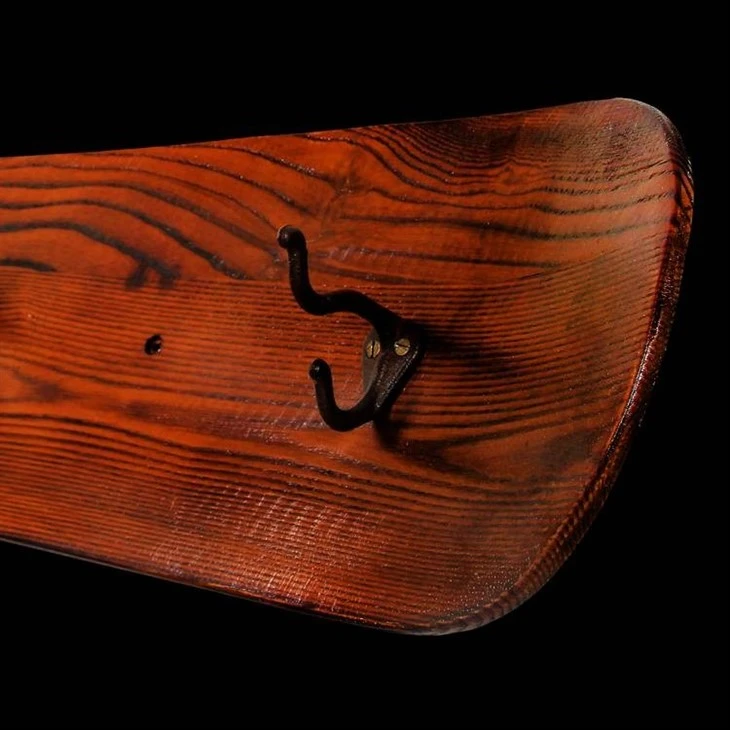

Welcome to the "MUKA" -n company dedicated to providing high-quality, handmade refined wooden furniture. Since its establishment, we have always taken the responsibility of inheriting and carrying forward traditional woodworking skills, and providing consumers with elegant, durable and unique furniture.We pay great attention to the quality and services of the product, and always adhere to the principle of customer first. In order to allow every consumer to enjoy intimate services, we have established a comprehensive pre -sales consultation and after -sales service system. Whether you encounter any problems after you buy or buy, our professional team will answer you in time to ensure that your shopping experience is happy and worry -free.
FAQ
As one of the leading ski mirror manufacturers in China, we warmly welcome you to buy high-grade ski mirror for sale here from our factory. All customized products are with high quality and competitive price.
Ski Adirondack Rocking Chair, Canoe Paddle Coat Racks, Black Forest Carving Furniture